Free quotes from photos, no visit neededCovering every district in KentWaste paperwork with every clearance
KENT CLEARANCE GUIDE

Who Pays for House Clearance After a Death? (Kent Guide)

A plain-English guide to who pays for a house clearance after someone dies, how the cost is paid from the estate, and what executors need to keep.

By the House Clearance Kent team · Updated 23 October 2026 · 6 min read

Who pays for a house clearance after someone dies?

In most cases the cost of a probate house clearance is paid from the deceased person’s estate by the executor, not personally by family members. Keep the invoice and waste paperwork, because clearance costs are normally a reasonable estate expense. This is general information, not legal advice. See our probate house clearance service.

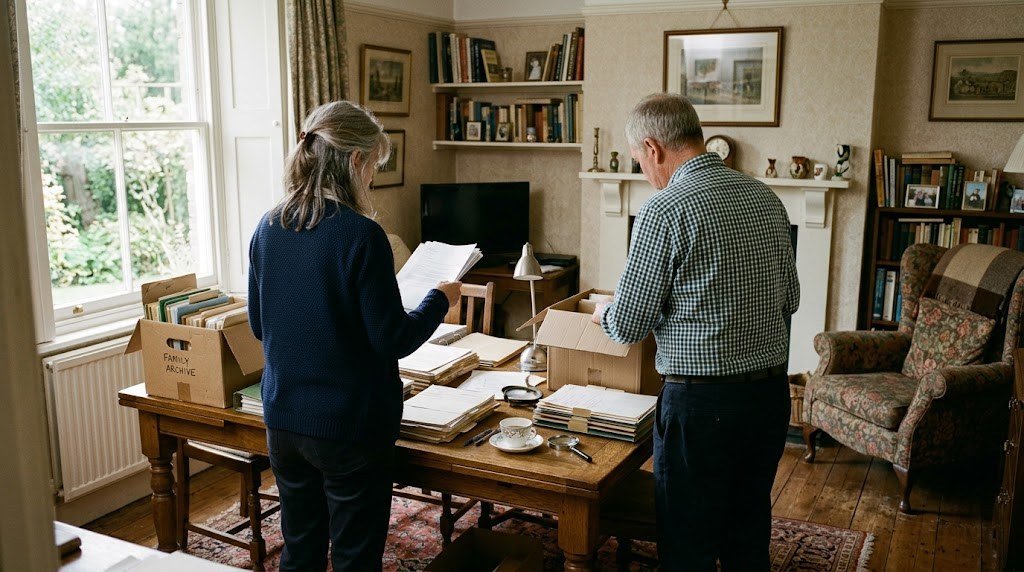
Two family members sorting papers and boxes in a living room before a probate clearance

The short answer

Funeral and administration costs, including a house clearance, are normally paid out of the estate before beneficiaries receive their share. The executor arranges and pays, then records the expense. If you are not sure, speak to the solicitor handling probate.

When to clear the house

  • Before probate is granted, you can usually secure the property and arrange quotes.
  • After probate, you can sell or distribute items and clear the property.
  • Council tax, insurance and utilities continue, so delays can cost money.

What an executor should keep

  • The itemised invoice from the clearance company.
  • Waste transfer paperwork, as proof of lawful disposal.
  • Any valuations for items of value.
  • A photo record of the property before and after.

Can clearance be paid from the estate before sale?

Often yes, if there is access to estate funds. Some firms are happy to be paid on completion. Ask your solicitor how to proceed.

How we help executors

We quote from photos, set aside valuables and personal papers, and provide an itemised record. Read our probate house clearance checklist and our guide to clearing a parent’s house.

FAQS

Common questions

Can’t see your question? Add it to the quote form and we’ll answer by email.

Who is responsible for clearing a house after death?

The executor named in the will, or the administrator if there is no will, is normally responsible.

Can I clear the house before probate?

You can usually arrange quotes and secure the property, but check with the solicitor before disposing of valuable items.

Is house clearance a deductible estate expense?

It is generally a reasonable administration expense, but confirm with the solicitor or an accountant.

Do you provide paperwork?

Yes. We provide an itemised invoice and waste transfer documents.